The Chinese EV brand feared by American automakers is losing ground at home. Here’s how the US could compete
June 10, 2026

While the historic antagonism between China and the U.S. appears to be morphing into a sort of “co-opetition” complete with photo ops (1), potential trade agreements (2) and some progress towards recognizing shared goals (3), the two superpowers are still eternally trying to one-up each other when it comes to AI, manufacturing (4), earth observation (5), intel and more — including, recently, auto manufacturing.
Developments on China’s tech (6) and automation (7)fronts have had international carmakers shaking in their boots this year, particularly when it comes to electric vehicles.
Must Read
-
The ultra-rich use these 5 real estate strategies to build wealth while they sleep — you can start with just $100
-
Robert Kiyosaki says this 1 asset will surge 400% in a year and begs investors not to miss this ‘explosion’
-
Millionaires under 43 are reshaping investing — just 25% of their portfolios are in stocks. Here’s where their money is going
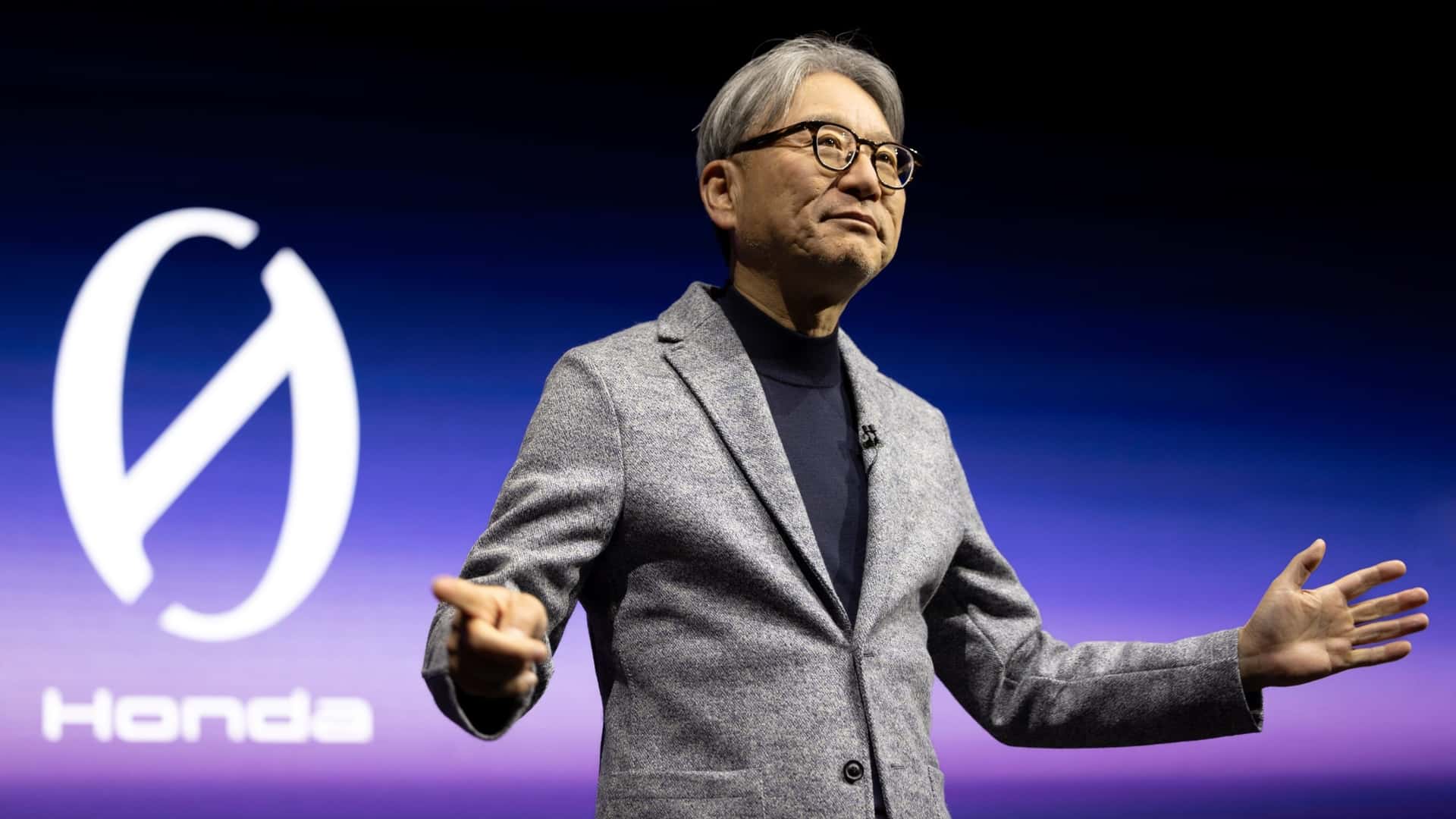
“We have no chance against this,” Honda CEO Toshihiro Mibe ominously conceded in April after witnessing the staggering efficiency of one Shanghai parts factory. Toyota and Ford executives echoed the realization that players in China’s sector are lightyears ahead, in part due to fierce competition amongst themselves that necessitates excellence.
But even with all of the advantages that firms like Shenzhen-based BYD have — cheap labour, lax regulations, a more comprehensive supply chain, a wealth of rebates to take advantage of and more (8) — it seems that not even speed, quality and rock-bottom pricing can ensure staying power.
Some Chinese automakers have faltering sales
As recently reported by The Economist (9), BYD’s sales have been down for eight consecutive months compared to the same time a year prior. And, despite a 10x surge in revenue between 2015 and 2025, last year marked a substantial year-over-year decline in the company’s profits, the first drop since 2021.
This could be because of the fact that, as a battery company first and foremost, China’s (and the world’s (10)) largest EV brand seems to be falling behind domestically in the areas outside of hardware.
Drivers have touted BYD’s Chinese rivals like Nio (11), Xiaomi (12) and Li Auto (13) for their focus on the driving experience, with features ranging from built-in AI assistants, autonomous driving and family-friendly interiors to easy integration with other devices and unique owner benefits that extend off the road (think access to exclusive events and businesses). International peers like Volkswagen are collaborating with tech names rather than creating products in-house that are outside of their expertise.
And while American car companies may not be able to compete on price internationally (not least because their workers are better protected and better paid), there is the strategy of prioritizing our domestic market. That remains out of BYD’s reach, given tariffs and other restrictions. What American firms can do is lean into the luxury (14) that US consumers love (15).
Read More: BlackRock warns buying and holding the S&P 500 isn’t enough for retirement anymore — here’s why
The power struggle continues over auto trade continues
President Donald Trump, who has traditionally saved some of his harshest words (16) for China, just last week floated another round of tariffs (17). They would affect China and dozens of other countries, because, the president says, they allow forced labor. This comes after a tensely (18) amicable, if not measurably successful, (3) meeting with Chinese leader Xi Jinping less than a month ago.
Early pandemic-era forecasts predicted China would eclipse the U.S. economically by 2028 (19) because of its swift and extremely restrictive response to the outbreak, which kept cases at bay and prevented a recession in 2020. (It later abandoned that strategy (20) as the pandemic dragged on and economic pain grew).
On the other hand, some have argued (21) more recently that low fertility rates and an aging population could stunt the country’s GDP growth and leave it in second place by that time.
You May Also Like
-
Dave Ramsey warns nearly 50% of Americans are making 1 big Social Security mistake — here’s how to fix it ASAP
-
Thanks to Jeff Bezos, you can now become a landlord for as little as $100 — and no, you don’t have to deal with tenants or fix freezers. Here’s how
-
Millions of US drivers renew their car insurance without shopping around. Your insurer loves that. This 2-minute check could save you 15% or more
-
‘Running out of money’: Kraft, McDonald’s, Whirlpool CEOs all issue same dire warning about US consumers — protect your wealth now
Join 250,000+ readers and get Moneywise’s best stories and exclusive interviews first — clear insights curated and delivered weekly. Subscribe now.
Article Sources
We rely only on vetted sources and credible third-party reporting. For details, see our ethics and guidelines.
The White House (1); Politico (2); CBC (3); The Economist (4), (5), (9); CNN (6); YouTube (7), (12); Investopedia (8); Car and Driver (10); EVdances (11); Li Auto Inc. (13); Yahoo Autos (14); Luxury Society (15); Donald J. Trump Presidential Library Foundation (16); The Guardian (17); The Wall Street Journal (18); BBC (19); The New York Times (20); Newsweek (21)
This article originally appeared on Moneywise.com under the title: The Chinese EV brand feared by American automakers is losing ground at home. Here’s how the US could compete
This article provides information only and should not be construed as advice. It is provided without warranty of any kind.
Terms and Privacy Policy
Search
RECENT PRESS RELEASES
Related Post