The Rodman dam hurts the environment and the local economy
April 30, 2026
By Steve Robitaille, Florida Defenders of the Environment
In his recent guest column, Sen. Tom Leek made several claims about his killing of the Ocklawaha River restoration bill that deserve closer examination.
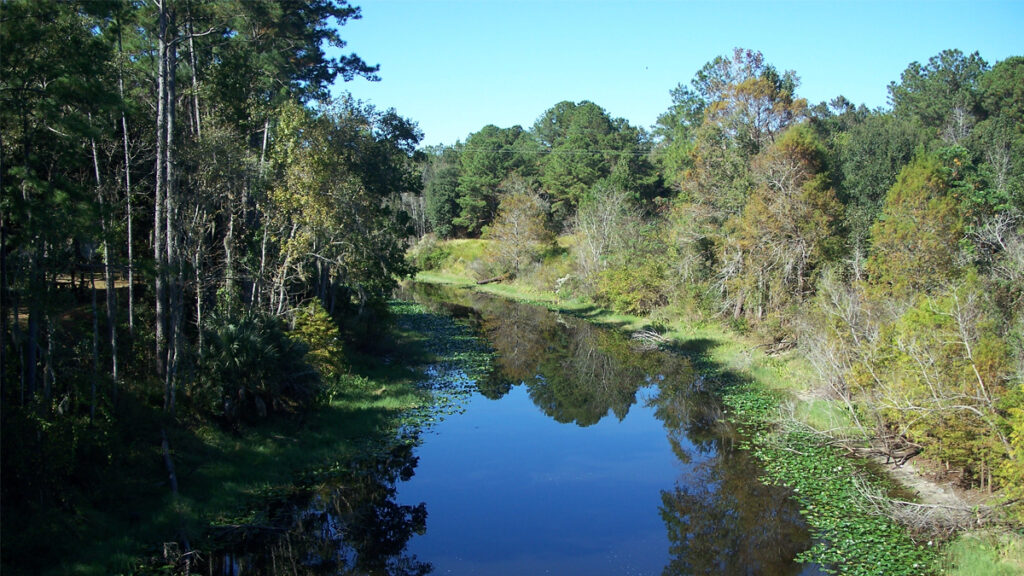
Leek refers to the Rodman Reservoir as a “60-year ecosystem.” The Ocklawaha River is not limited to the reservoir but a critical component of a waterway from the Harris chain of lakes via Silver Springs, the Ocklawaha to the St. Johns River estuary. While the pool may constitute a “60-year ecosystem,” the larger ecosystem it has negatively impacted is thousands of years old and there has been non-disruptive human activity along the riverway since 7,500 BC.
Fishing for bass in the pool brings in limited funds to your rural community, but the tradeoff is blockage of fish and wildlife, loss of critical habitat for manatee, harm to Silver Springs and the die off of eelgrass critical to fishing outside the pool. The dam has drowned miles of riverbank, severely limiting the variety of fish that rural folks once caught in abundance before riverbank fishing was curtailed.
You call this an act to destroy a rural community’s economy. It is true that Putnam County is sadly listed as one of the most distressed economies in Florida. This has been true the entire time fishing tournaments have been held at Rodman.
The bill you successfully killed would have expanded ecotourism amenities at the reservoir and beyond and saved the Florida taxpayer the millions of dollars to maintain what you state in your piece is a “water control structure” and which your readers may wish to know has never had a function and, according to the most recent dam safety reports, is a “high hazard” dam in need of immediate and ongoing expensive repairs. In short, it’s the taxpayers in both urban and rural counties who continue to pay for dam expenses.
If the bill you killed was such a threat to a rural community, how did it pass through six House and Senate committees with a nearly unanimous bipartisan vote, championed by two of your fellow urban and rural Republican colleagues who you simply dismiss as being from urban communities? It also passed the House by a bipartisan majority vote, so I suspect you knew it would pass in the Senate before you denied your colleagues a chance to vote.
Readers may wish to look back to the late 1990s when a restoration bill was within a few votes of success and the late Sen. George Kirkpatrick, after whom the Rodman dam is ironically named, made a similar backroom deal that doomed its success.
This thousand-year-old ecosystem may have the last say when a torrential hurricane system breaches the earthen section of the dam, and as ominously predicted in the recent dam safety report, inundates some 500 families in the Welaka area. Unless you convince taxpayers to continue to pay for your “flood control structure” into the indefinite future, the thousand-year-old ecosystem will one day return, and good bass fishing can return to the river where it will continue to thrive.
Steve Robitaille is president of the Florida Defenders of the Environment. This opinion piece was originally published by the Tampa Bay Times, which is a media partner of The Invading Sea. Banner photo: Kirkpatrick Dam at the Rodman Reservoir (Florida State Parks).
Sign up for The Invading Sea newsletter by visiting here. To support The Invading Sea, click here to make a donation. If you are interested in submitting an opinion piece to The Invading Sea, email Editor Nathan Crabbe.
Tags: dam safetyenvironmental restorationFlorida economyKirkpatrick DamOcklawaha RiverPutnam CountyRodman Reservoir
Search
RECENT PRESS RELEASES
Related Post