The World Cup Created Billions In Opportunity. Cannabis Wasn’t Invited
June 12, 2026
As millions of soccer fans descend on the United States for the 2026 FIFA World Cup, local governments across the country have made it easier – to drink.
New York created special World Cup permits to allow alcohol sales at large-scale watch parties and outdoor activations. Massachusetts authorized later last calls and public drinking districts. Atlanta approved a temporary outdoor entertainment district where fans can legally carry alcoholic beverages through designated areas. Missouri and Kansas temporarily expanded alcohol service hours to accommodate soccer fans.
Policymakers are sending a clear message that they want local businesses to capitalize on World Cup tourism.
Alcohol Got Regulatory Flexibility. Cannabis Didn’t.
FIFA estimates the tournament could generate roughly $17 billion in additional economic output and $11 billion in event-related spending across the United States.
Yet amid all that regulatory creativity, one legal industry was largely left out of the celebration.
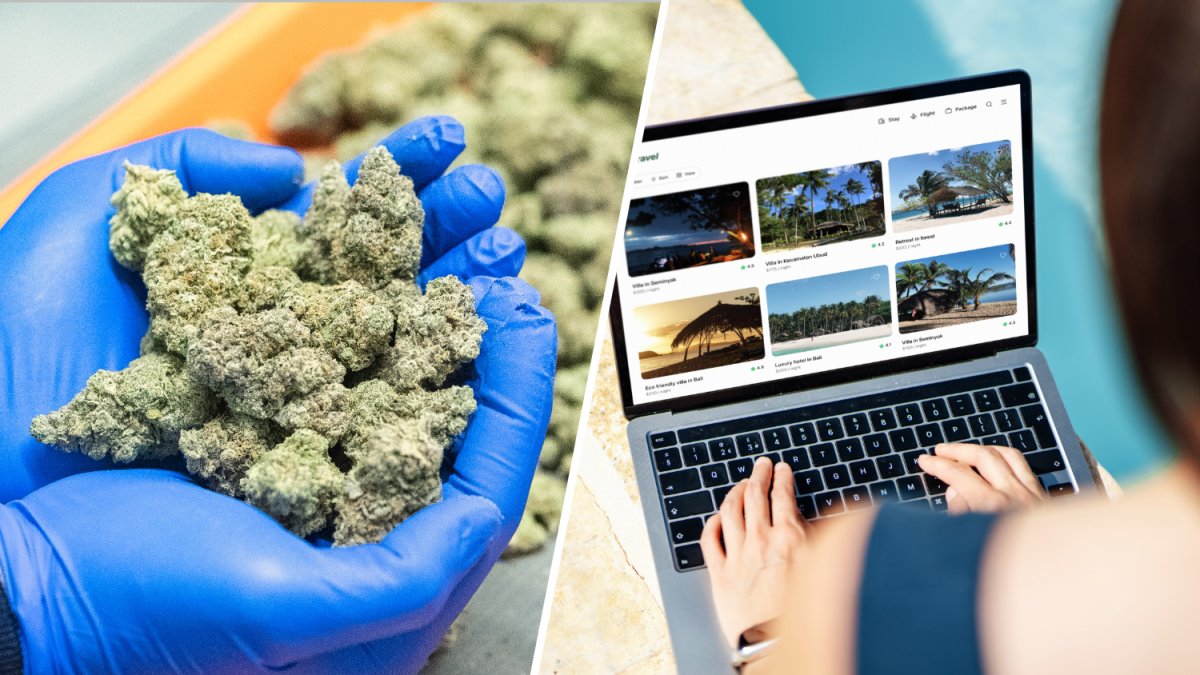
Cannabis is legal for adult use in six World Cup host cities. The global cannabis industry was valued at more than $102 billion in 2025 and is projected to exceed $137 billion this year. Cannabis has also become increasingly embraced among American consumers. In 2022, an estimated 17.7 million Americans used cannabis daily or near-daily, surpassing the number of Americans who reported drinking alcohol at similar rates.
Despite growing legalization and normalization, cannabis consumers, meanwhile, have few legal places to gather and enjoy matches together. Cannabis businesses face a similar challenge, with limited opportunities to participate in the economic activity surrounding the World Cup.
The Money States Left on the Table
Chris Kuilan, co-founder of Stoops NYC, believes policymakers in New York already built the framework cannabis needed. They simply chose not to use it.
“The World Cup One-Day Permit offers a ready-made blueprint,” Kuilan says via email.
The permit requires organizers to implement security plans, age verification, defined consumption areas and vendor accountability measures. According to Kuilan, those same safeguards could have been adapted for regulated cannabis consumption, particularly for smoke-free products like beverages and edibles.
“Those same guardrails could easily be applied to cannabis,” he says. “Instead, the state is creating a system where alcohol is welcomed into public-facing celebrations, while cannabis is effectively pushed to the margins.”
Few cannabis operators are asking to sell products inside stadiums. Their argument is simpler. Regulators created temporary, highly controlled pathways for alcohol-centered events and never seriously explored whether similar frameworks could work for cannabis.
“Cannabis products are already very common at watch party events, whether they are sanctioned or not,” says Rick Bashkoff, CEO of Lit Alerts, via email. “We’ve seen events like the Super Bowl and the current NBA Final recently drive sales where there is either a team or host affiliation.”
For many operators, the World Cup highlights a broader inconsistency in cannabis policy.
“It’s hard not to laugh a little, or in my case cry a little, when alcohol brands are treated like the official beverage of togetherness while cannabis companies are still standing outside knocking on the door,” says Kristin Rogers via email, co-founder and CEO of Massachusetts cannabis beverage company LEVIA.
Cannabis beverages are one of the industry’s fastest-growing categories, attracting consumers looking for relaxing alternatives to alcohol.
“At some point, you have to ask, if adults can responsibly enjoy a beer while watching soccer, why is a 5mg cannabis seltzer somehow considered controversial?” Rogers says.
Because traditional fan zones are unavailable to cannabis companies, many operators are pursuing alternative strategies. LEVIA is focusing on retail partnerships, product launches and educational campaigns tied to soccer culture, including a content partnership with former professional soccer player and cancer survivor Ethan Zohn.
“We’re approaching the World Cup the way cannabis brands always do—creatively,” Rogers says.
Federal Illegality Complicates What Cannabis Can Do
The explanation for cannabis’ absence begins with its complicated legal status. While most Americans now live in states with some form of legal cannabis access, federal law continues to create significant barriers.
“While many state-legal cannabis markets have evolved, the complicated federal status remains a major hurdle,” says Adam Rosenberg, chairman of the National Cannabis Industry Association.
“Cannabis businesses face advertising restrictions that make it difficult to commercialize and integrate with major events like the World Cup,” Rosenberg says via email. “Additionally, as an international event, planning incorporates perspectives from regions with more restrictive cannabis laws and no commercial marketplaces.”
Because cannabis businesses operate under a patchwork of state and federal restrictions, there are limited opportunities to sponsor events, advertise broadly, and build large-scale activations around the tournament.
“AB-InBev is an Official FIFA World Cup 2026 sponsor. Which means Michelob Ultra is the official beer sponsor for the World Cup,” Bashkoff says. “Alcohol will be served at the actual events.”
By contrast, Bashkoff notes that FIFA does not partner with cannabis brands and that municipalities have not created comparable World Cup-related accommodations for cannabis retailers.
“No municipalities have passed special rules or extensions allowing cannabis retailers to stay open later for the World Cup matches,” he says.
Rosenberg argues that the issue extends beyond marketing opportunities.
“Tens of millions of Americans will consume cannabis as part of their World Cup experience,” he says. “Restricting legal access only serves to support illicit suppliers in meeting that demand.”
Some industry observers believe regulators overlooked more than a business opportunity. They also passed on a chance to create clearer rules and more controlled environments for cannabis consumption during one of the largest sporting events ever hosted in the United States.
Lauren Rudick, managing principal of Rudick Law Group, also believes cannabis could have been incorporated into the same controlled framework being used for alcohol-centered events.
“We are seeing cities bend over backwards to make alcohol work during the World Cup,” Rudick says via email. “Temporary work permits, extended hours, open container laws, loosened distribution rules and supply chain restrictions. Cannabis deserves the same creative energy.”
Rudick acknowledges that cannabis faces legitimate regulatory hurdles. Most states prohibit public consumption, cannabis licenses are tied to specific locations, and many jurisdictions prohibit alcohol and cannabis sales within the same venue.
Still, she argues that the public safety infrastructure being created for alcohol events could have provided a foundation for regulated cannabis hospitality.
“Allowing regulated, on-site cannabis consumption within that same system would be far easier to oversee than informal use in nearby streets, parks or unregulated spaces,” Rudick says. “Bringing cannabis into the permit structure would enhance visibility and accountability, not diminish it.”
Where to legally consume cannabis becomes even more complicated when international visitors enter the equation. Millions of tourists are navigating a patchwork of cannabis laws that vary dramatically between states and municipalities.
“New York City is the perfect example of how quickly assumptions can go sideways,” Rudick says. “For international tourists navigating an entirely new country, a new city and a packed arena, the least we can do is make the rules easy to find and easier to follow.”
Search
RECENT PRESS RELEASES
Related Post