This Is The Most Reliable EV Brand, According To What Car?
May 2, 2026
Given how quickly electric vehicles can depreciate and how challenging (and expensive) they can be to repair, anyone in the EV market would be well served by a bit of reliability research before committing to the electric lifestyle. Luckily, long-running U.K. car-buying brand and magazine What Car? publishes an annual, comprehensive survey of the most reliable cars, including electric cars and SUVs, and 2025 had a pair of BMW models at the top of the EV list.
The survey, conducted in tandem with MotorEasy, a U.K. car-management and protection service, collects data from 32,493 owners over a period of the previous 24 months. The 2025 version included 46 pure electric models (as well as 27 electric SUVs), and covers cars up to five years old.
With the survey data in hand, What Car? built a ranking based on overall reliability, common faults, average repair cost, and other metrics. BMW dominated the electric list, with the i3 and i4 taking the number one and number two spots respectively. Let’s dive into why BMW electric cars are so reliable, and also take a glance at the rest of the list.
Why BMW tops the list
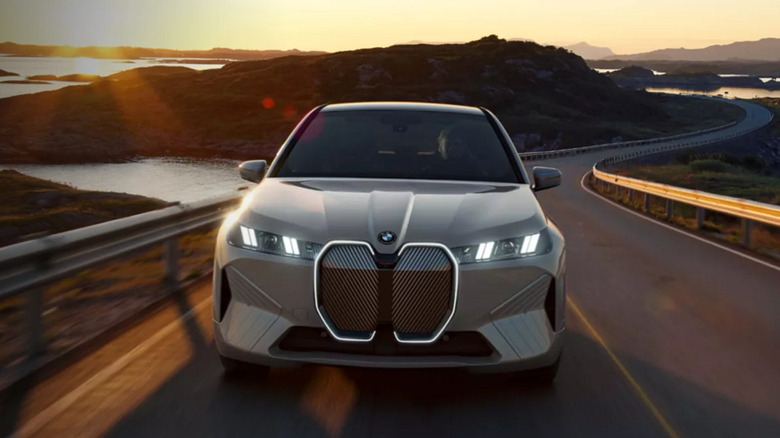
Both BMW models delivered stellar reliability scores, with the i3 scoring a 97.4% and the i4 close on its heels at 96.8%. The real standout statistic was repair costs: 100% of surveyed owners reported no repair costs whatsoever. Either they had no issues that required repair, or repairs were fully covered by BMW. There is a slightly troubling downside to those no-cost repairs on the i3 side. For half of its reported repairs, the i3 was out of commission for a week or more. This may be in part because BMW stopped manufacturing the i3 in 2022, so replacement parts may be more difficult to source.
The i4, the electric doppelganger of the BMW 4 Series Gran Coupé, is still in production, however, and only 16% of the i4s in What Car?’s survey experienced any defects. Repairs were also speedier on the whole, with 67% fixed in a day or less, and only 25% stuck at the dealership for more than a week. While not a reliability metric, the i4 exceeded its advertised range in a test by Consumer Reports, especially impressive considering that some EVs fell short by 50 miles or more.
BMW has a natural edge in the EV market that comes down to raw experience. Not only has the brand been producing premium cars for decades, it has also been in the EV market for many years, far more than most traditional manufacturers and electric-only startups. The i3 began production way back in 2013, and the company’s first production EV, the Mini E, entered testing in 2008. In fact, BMW’s electric legacy can be traced all the way back to 1972, when it created a prototype electric car called the BMW 1602 Electric for the Munich Olympics.
The rest of the list
 3alexd/Getty Images
The remainder of the top 10 is rounded out by a wide variety of manufacturers. There are technically no other repeat manufacturers on the list; however, BMW gobbles up a third slot by way of its sub-brand, Mini, with the Mini Electric snagging fifth place.
Behind the BMWs in third place is the popular and long-running Nissan Leaf, just barely edged out of the second spot with a reliability rating of 96.5% (.3% behind the i4). Despite its visibility in the EV market, Tesla only has a single vehicle on the list, coming in at number eight with the Tesla Model 3. Another standout is the number four position, held by the Hyundai Ioniq 6.
This is interesting, because What Car? also collates a list of the least reliable electric vehicles, and Hyundai has the dubious honor of claiming both of the “top” two spots. In fact, both models are Ioniqs, with the Ioniq Electric family car coming in as the least reliable and the Ioniq 5 in second. While the Ioniq 6 wrangled a remarkable 95.7% reliability rating, the Ioniq Electric and Ioniq 5 scored a disappointing 80.1% and 80.7%.
Search
RECENT PRESS RELEASES
Related Post