Warsh’s Fed Confirmation Hearing Starts Tomorrow. 3 Huge Things Investors Should Listen For
April 20, 2026
There’s a major confirmation hearing in the Senate tomorrow that institutional investors will be glued to.
Individual investors should listen in, too, as the nominee’s testimony before the Senate Banking Committee could provide real insights about where the stock market will go from here.
I’m talking about Kevin Warsh, of course, President Donald Trump’s pick to be the next Federal Reserve chair. Few — if any — government officials have the power to move the stock and bond markets that the Fed chief holds.
There are three huge topics — all slightly interrelated — that investors should monitor closely from the hearing.
1. Rate cuts and the Fed’s dual mandate
Trump has unsuccessfully pushed current chair Jerome Powell to cut the Fed’s target interest rate, the federal funds rate. Presumably, the president believes that lower rates will stimulate the economy and help Republicans maintain majorities in the House and Senate in November’s midterm elections.
Because he is Trump’s nominee to replace Powell, we can also presume that Warsh has convinced Trump he will seek to lower the federal funds rate, if possible. But inflation has been rising in recent months — the Consumer Price Index rose 3.3% year over year in March, far above the Fed’s 2% target and higher than the 2.4% increases in January and February. Lowering rates when inflation is elevated and rising is contrary to the Fed’s dual mandate of price stability and maximum employment. What Warsh says about the future path of interest rates will be critical to financial markets, which count on inflation being low and well-anchored.
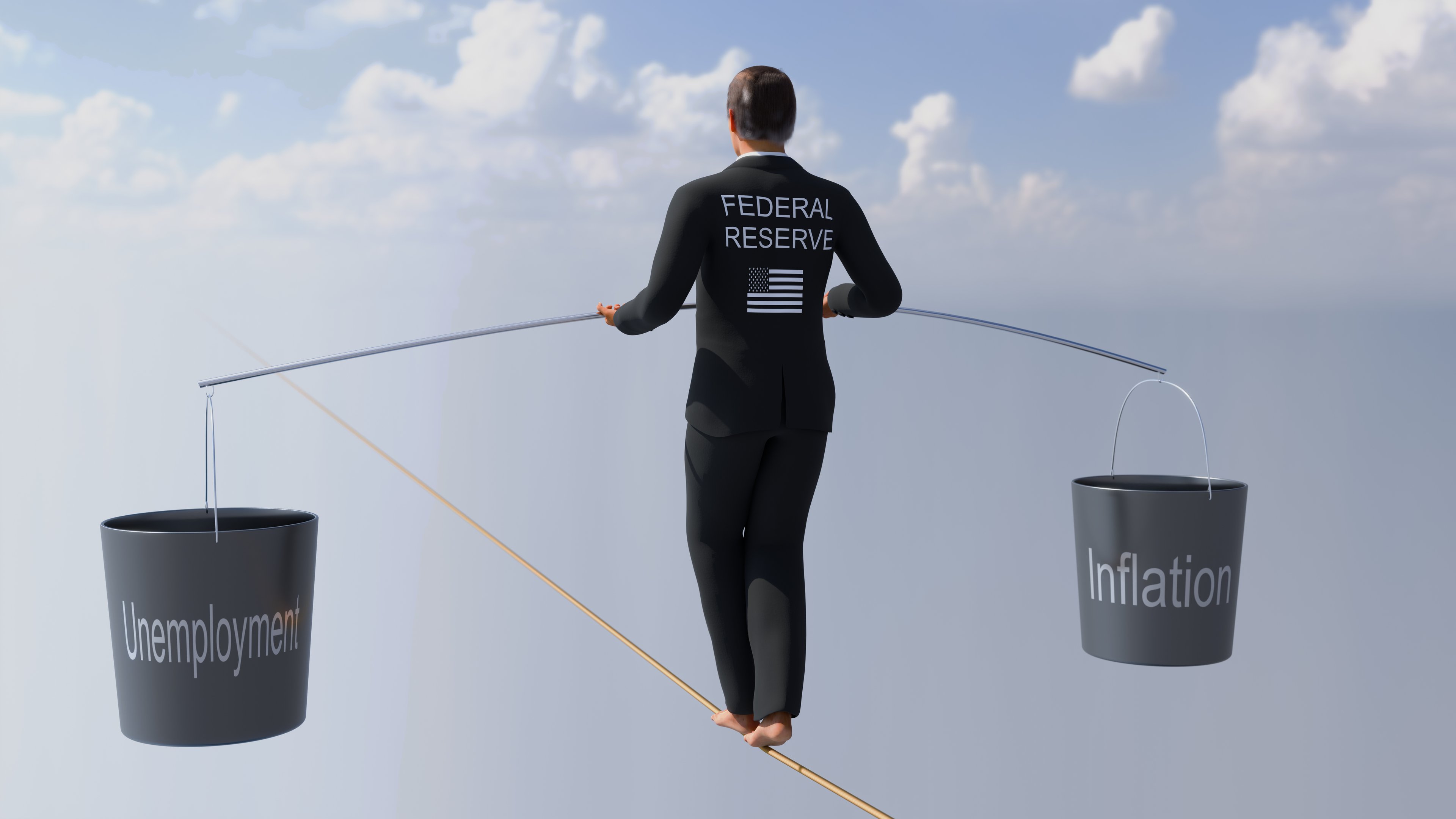
Image source: Getty Images.
2. Fed independence
The Fed jealously guards its independence from the executive branch. And for good reason. Studies of monetary policy have found that central bank independence is critical to containing inflation, as political leaders often try to push policymakers in unwise directions that can lead to higher prices. Warsh will have to convince skeptical Banking Committee members that he will not take marching orders from Trump or anyone else. Compromised Fed independence would do real damage — particularly to the bond market.
3. The Fed’s balance sheet
To inject liquidity into the U.S. economy during the COVID-19 downturn, the Fed made large-scale bond purchases, blowing up its balance sheet to nearly $9 trillion. Since mid-2022, the Fed has been gradually shrinking the balance sheet by allowing bonds it holds to mature without reinvesting the proceeds (the balance sheet is now about $6.7 trillion). But Warsh has advocated a much more dramatic reduction in the Fed’s bond holdings, arguing they distort markets and cause inflation. A rapid drawdown of liquidity could threaten the stock market, which thrives on it. What Warsh tells the Senate on this topic will be critical.
Again, watch for what Warsh says about rate cuts this year, Fed independence, and his plans to shrink the central bank’s balance sheet. The hearing, scheduled for 10 a.m. ET on Tuesday, is expected to be a lively one, with much at stake for the economy and the stock market.
Search
RECENT PRESS RELEASES
Related Post