Why is US stock market falling today? Dow Jones, S&P 500 and Nasdaq crash after Trump conc
May 15, 2026
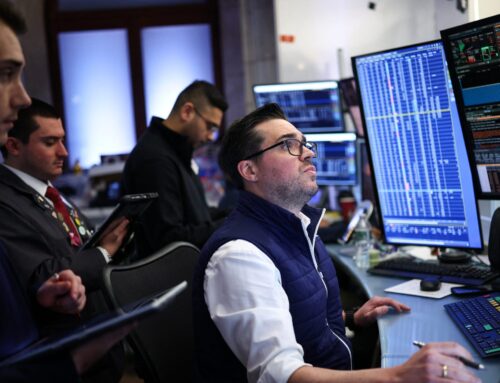
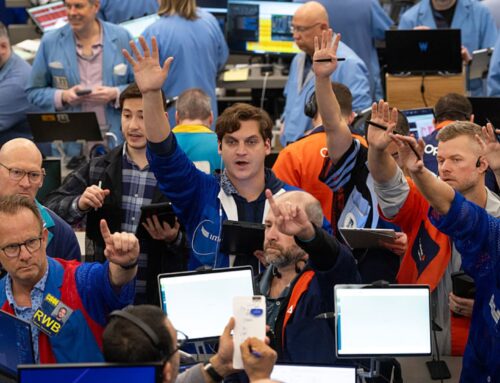
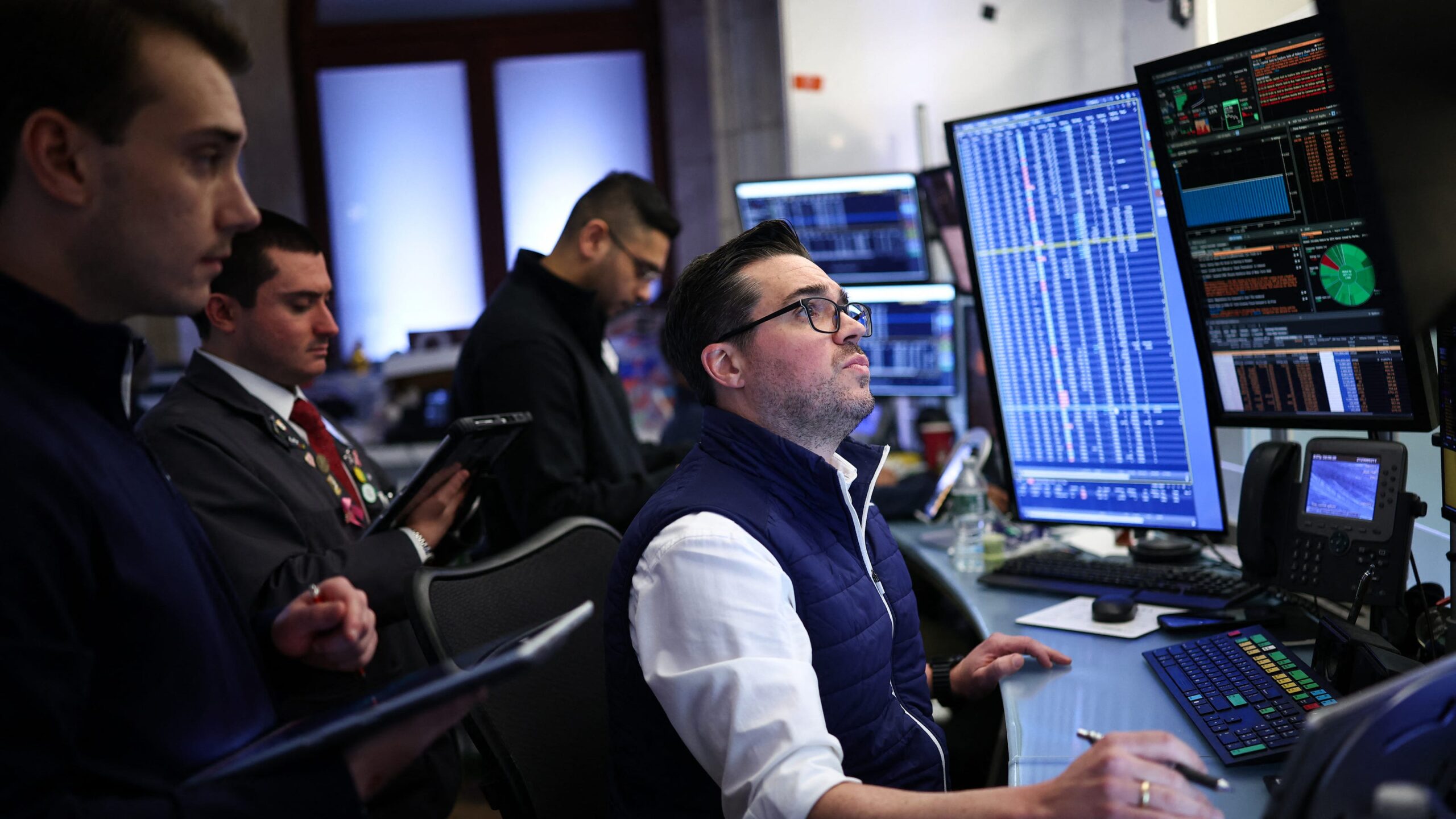
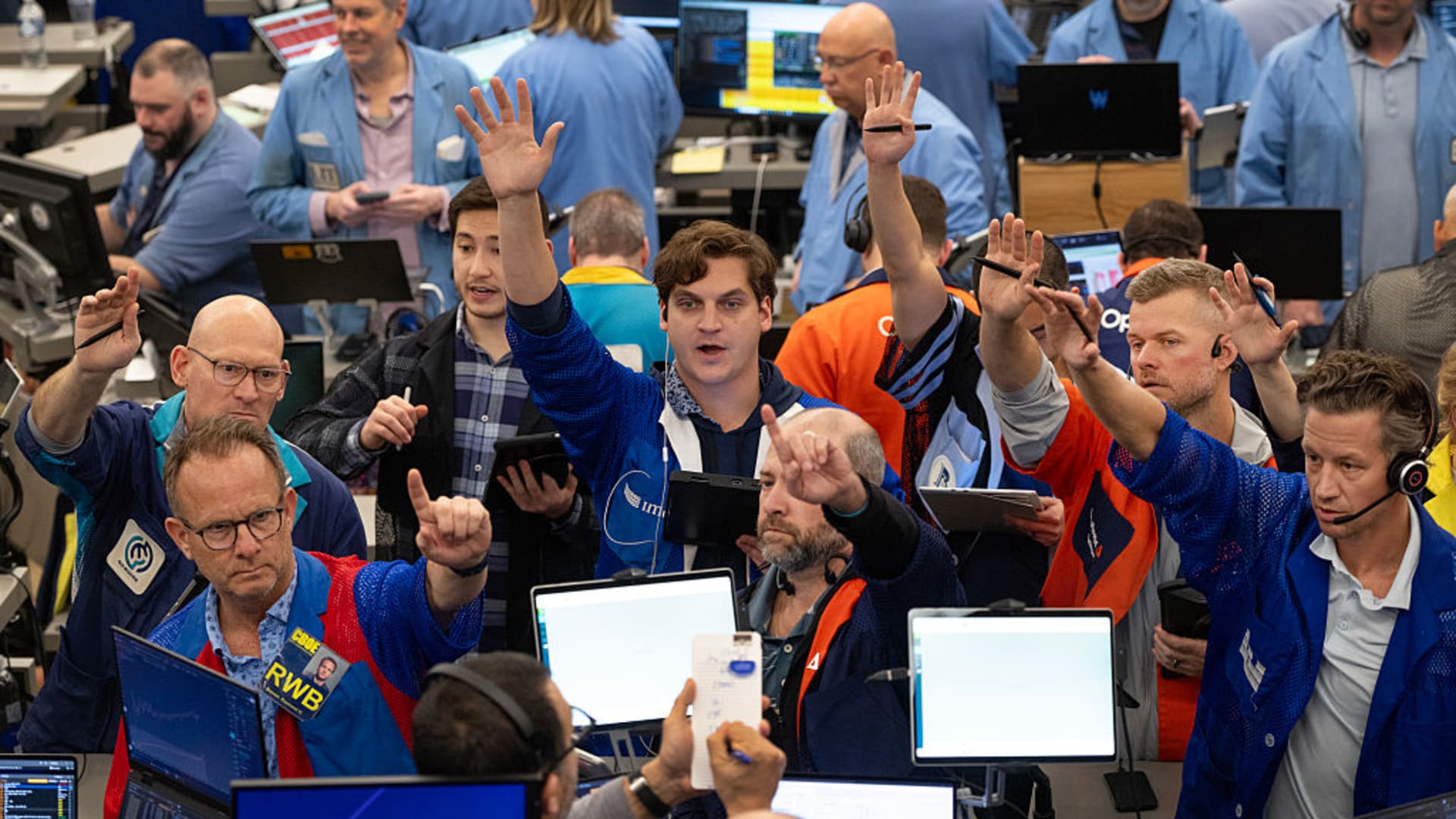
Why is US stock market down today?US financial markets took a sharp hit on Friday, May 15, 2026, as Wall Street pulled back from record highs. TheDow Jonesfell 366 points to 49,697. The S&P 500 dropped 0.86% to 7,436. TheNasdaqslid 1.25%, losing 331 points. Inflation fears returned with force, and the Trump-Xi summit in Beijing failed to calm nerves entirely. Treasury yields surged. Gold collapsed. Silver crashed 8%. The day reminded every trader what uncertainty really costs — and how fast gains can vanish when the bond market turns hostile.
Markets had been flying high just 24 hours earlier. Thursday saw the S&P 500 and Nasdaq close at all-time highs. The Dow crossed 50,000. But Friday’s open told a different story. Selling was fast, broad, and decisive.
US financial markets were reacting to a cocktail of pressures — rising oil prices, surging yields, a stronger dollar, and a war in the Middle East that shows no signs of ending. The question now isn’t just how far markets fall. It’s how long investors stay patient while inflation chips away at every gain.
US stock market crash today: Dow Jones, S&P 500 and Nasdaq sink as Trump concludes China visit
US financial markets had been riding a wave of optimism this week. AI stocks surged. Chip deals were struck. Boeing andNvidiaboth got new contracts out of the Trump-Xi summit. But Friday’s inflation concerns cut through all that momentum like a knife. The week’s US inflation readings came in hotter than expected, and bond investors responded immediately.
The 10-year Treasury yield jumped 11.3 basis points to 4.57%. The 30-year yield pushed past 5.11% — a level that historically signals real trouble for equities.
When long bond yields rise this fast, equity valuations come under pressure. Stocks priced for perfection can’t survive a yield spike.
The S&P 500 VIX — Wall Street’s fear gauge — jumped 7.71% to 18.59, signaling that volatility is back. The Nasdaq 100 fell 1.23%, losing 363 points to close at 29,216. Tech stocks led the decline. NVIDIA fell 3.67%, shedding $8.65 to $227.09. The AI trade, which had been the engine of Thursday’s rally, was now the biggest drag on US financial markets.
The breadth of Friday’s decline was telling. In the S&P 500, decliners outnumbered advancers 315 to 173. In the Nasdaq, the ratio was even worse — 2,161 stocks fell against just 838 gainers. This wasn’t a sector rotation. It was a broad-based retreat.
What Did the Trump-Xi Summit Actually Deliver for US Financial Markets?
The two-day summit between PresidentTrumpand Chinese President Xi Jinping in Beijing generated enormous headlines. Sixteen top US executives were in the room. Boeing secured an order for 200 aircraft. Nvidia got clearance for H200 chip exports. Those are real wins. But US financial markets don’t run on headlines alone — they run on certainty, and certainty was in short supply on Friday.
The Taiwan question went unresolved. More critically, the Iran conflict — which has been pushing Brent crude above $108 a barrel — saw no breakthrough. Trump claimed China and the US “feel very similar about Iran,” but Xi’s response was measured, offering no concrete commitment. That ambiguity mattered enormously to traders watching oil tick higher. Brent crude rose more than 2% on Friday. When oil is at $108 and rising, inflation expectations don’t fall. They rise.
The US dollar index climbed to 99.107, its highest level in over a month. A stronger dollar typically signals capital flowing into safety. It also pressures commodities, multinational earnings, and emerging markets simultaneously. US financial markets felt all three pressures on Friday morning.
Boeing shares fell 2.44% to $223.61 — ironic for a company that just secured a 200-plane order. Goldman Sachs dropped 1.58% to $953.62. Caterpillar was the biggest loser among Dow components, falling 3.72% to $885.97. These aren’t small moves. They reflect genuine fear about what rising yields mean for capital-intensive businesses.
Gold Crashes 2.7%, Silver Collapses 8% as Bond Yields Surge Higher
The metals market told its own story on Friday. When bond yields rise and the dollar strengthens, precious metals get crushed. That’s exactly what happened. Gold fell 2.66% to $4,560.84 per troy ounce — a single-session loss of $124.46. Gold had been a safe-haven darling all year. Friday reminded investors that even gold isn’t immune to yield-driven selloffs.
Silver suffered even more brutally. It dropped 8% to $78 an ounce. The collapse halted a strong rally that had built through the first half of May. Copper fell nearly 5%, reversing recent gains tied to AI infrastructure demand. Metals across the board were hit by the same dynamic — real yields rising, dollar strengthening, and risk appetite shrinking.
This is one of the most important signals in US financial markets right now. When gold, silver, and copper all fall together, it isn’t just a metals story. It’s a macro statement. Investors are repositioning away from inflation hedges because they believe the Federal Reserve will have no choice but to act. Higher rates for longer means higher yields. Higher yields mean lower asset prices. The circle tightens.
The VIX rising above 18 while gold falls this sharply creates a contradictory but deeply informative picture. Risk aversion is rising — but not toward traditional safe havens. Money is flowing into the dollar and short-term Treasuries, not gold. That tells you something important about where institutional money thinks the pain is coming from.
Top gainers and losers in today’s US stock market
Not every corner of US financial markets fell on Friday. A handful of stocks posted meaningful gains, and understanding why tells you where smart money is repositioning.
Microsoft gained 2.40%, adding $9.82 to close at $419.25. The company has become a fortress stock — cloud, enterprise software, and AI exposure without the raw semiconductor risk that dragged NVIDIA lower.
Cisco climbed 2.07% to $117.92, reflecting continued demand for networking infrastructure. Salesforce led Dow gainers, rising 3.26% to $173.04. Visa added 1.65%.
Chevron gained 1.23%, a clear beneficiary of oil trading above $108.
Figma was the standout story of the session. The design software company reported earnings Thursday evening and investors cheered loudly. Figma’s results signaled that AI-driven demand for design and creative tools is accelerating, not slowing. Shares jumped sharply on heavy volume. In a down market, a stock that rallies on earnings tells you something genuine about underlying demand.
Apple managed a small gain of 0.51%, holding above $299. But volume was heavy — 10.58 million shares traded by mid-morning. That’s not quiet accumulation. That’s investors deciding whether to hold or reduce. Apple at $299 is a high-stakes hold when the 10-year yield is pushing toward 4.6%.
What Friday’s Market Action Means for the Week Ahead
US financial markets entered Friday with everything going right. Thursday’s record closes on the S&P 500 and Nasdaq felt like the start of a new leg higher. By Friday afternoon, that narrative was in serious question. The Dow dropped back below 50,000. The S&P 500 fell below 7,500. The Nasdaq lost its entire Thursday gain in a single session.
What changed? The inflation picture hardened. Oil stayed expensive. Bond vigilantes pushed yields to uncomfortable levels. The 30-year yield above 5% is a warning signal that investors take seriously — it was one of the triggers for equity weakness in 2023 as well. History has a way of rhyming.
The week ahead will be shaped by three forces. First, whether Treasury yields stabilize or continue their climb. Second, whether the Iran conflict shows any sign of resolution — because every dollar Brent crude rises above $100 adds fuel to inflation expectations. Third, whether Figma’s earnings signal the start of a new AI earnings cycle, or whether it was an outlier.
(You can now subscribe to our Economic Times WhatsApp channel)
Search
RECENT PRESS RELEASES
Related Post