Automakers Launch a “Buyback Wave”: What Signal Does It Send?
April 15, 2026
Gasgoo Munich- Changan Automobile recently announced the completion of its first share buyback via centralized competitive trading, spending approximately 33.12 million CNY to repurchase both A-shares and B-shares.
Changan is far from alone.
Over the past few months, an unprecedented “buyback wave” has spread through the automotive industry, spanning from A-shares to Hong Kong listings and from NEV startups to traditional automakers.
As automakers deploy capital to buy back their own stock, what signal are they really sending?
Automaker “Buyback Wave” Continues
An examination of recent buyback activity reveals a clear trend: since late 2025, leading automakers have aggressively launched repurchase plans at a scale and frequency rarely seen in recent years.
Geely Auto initiated the trend. In the second half of 2025, the company consistently repurchased shares on the Hong Kong market. By early February 2026, it had repurchased 67.43 million shares, totaling 2.3 billion HKD.
The intensity of Geely’s buybacks places it at the forefront of the Hong Kong auto sector, signaling that management believes the stock is undervalued.
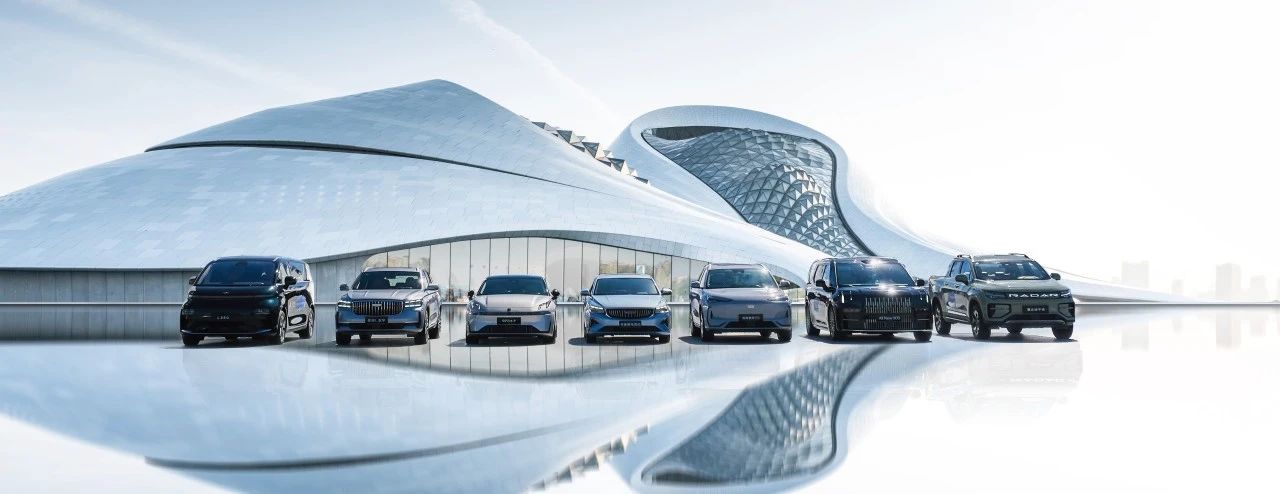
Image Source: Geely Holding
On March 24, Li Auto announced its board approved a share repurchase program worth up to US$1 billion (approximately 6.9 billion CNY), valid through March 2027.
A 6.9 billion CNY buyback is a significant move for an NEV startup, signaling that Li Auto is deploying its ample cash reserves to reward shareholders.
On March 30, Seres released its 2025 annual report and simultaneously announced plans to repurchase shares using 1 billion to 2 billion CNY in company funds, aiming to reduce registered capital.
Seres reported record revenue of 165.05 billion CNY in 2025, with a net profit of 5.96 billion CNY. Announcing a buyback alongside strong results sends a clear message: combining solid financial performance with direct market value management to boost investor confidence.
Changan Automobile’s move is particularly unique. On February 4, 2026, the company announced plans to spend 1 billion to 2 billion CNY to repurchase A-shares and B-shares—specifically for cancellation. The allocation breaks down to 700 million to 1.4 billion CNY for A-shares and 300 million to 600 million CNY for B-shares.
This marks Changan’s first-ever buyback plan and represents a rare “synchronous A- and B-share repurchase” scheme within the A-share auto sector.
The execution of the first buyback on April 10 marks the plan’s official entry into the implementation phase.
Notably, the repurchase price ranged from 10.02 to 10.21 CNY per share, corresponding to a price-to-earnings ratio of less than 10 times—suggesting management had a precise grasp of the timing.
Meanwhile, Great Wall Motor approved a restricted stock repurchase and cancellation plan in late March, while BYD previously rolled out a buyback plan worth 50 million to 100 million CNY.
A preliminary estimate shows that in the first quarter of 2026 alone, the total scale of buybacks disclosed or executed by these automakers exceeded 12 billion CNY.
These buybacks share a common trait: they are almost exclusively cancellations. The repurchased shares are not earmarked for equity incentives or employee stock ownership plans; instead, they are being written off to reduce share capital.
This effectively reduces the total number of outstanding shares, boosting earnings per share and net asset value per share—thereby providing firmer support for the stock price at a fundamental level.
The message from management is clear: they are not engaging in financial engineering, but rewarding shareholders in the most direct way possible.
The Implications Behind the Buyback Wave
When multiple automakers execute buybacks almost simultaneously, it ceases to be merely individual market value management—it becomes an industry signal worth decoding.
First, the wave reflects a widespread “divergence between valuation and fundamentals” across the auto sector.
The new energy vehicle sector has undergone a dramatic valuation shift from hype to normalization in recent years. Between 2020 and 2024, NEV makers enjoyed massive valuation premiums as investors paid a premium for growth narratives and technological potential.
Yet, as the penetration rate of new energy vehicles surpassed 50%, industry growth shifted from explosive to steady—and capital market pricing logic was reconstructed accordingly. The market’s focus has pivoted from “how attractive the future is” to “how profitable the present is,” causing automakers with slowing revenue growth or squeezed margins to face valuation corrections first.
Take Changan Automobile: its 2025 revenue reached 164 billion CNY, with net profit attributable to shareholders reaching 4.075 billion CNY. Excluding non-recurring items, net profit still rose 8% year-on-year—suggesting solid fundamentals.
Despite this, its A-share price weakened throughout 2025, with the price-to-earnings ratio dropping to around 10 times at one point—far below the industry average.
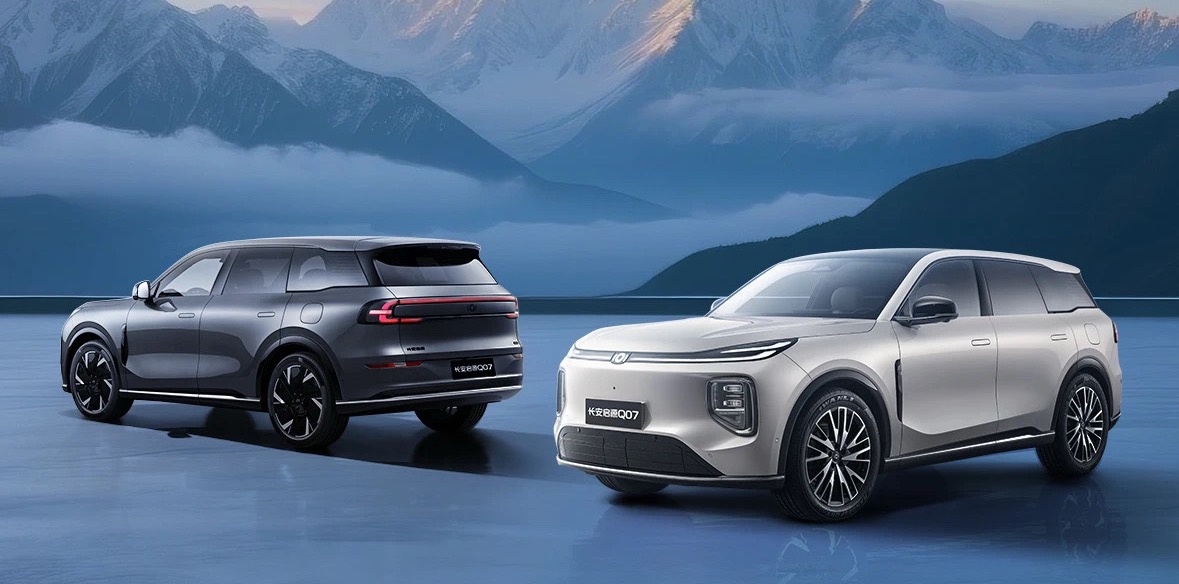
Image Source: Changan Automobile
Changan’s decision to launch a 1 billion to 2 billion CNY buyback at these levels suggests management believes the stock has drifted significantly below its intrinsic value.
Other automakers find themselves in a similar position: fundamentals are sound or even improving, but weak market sentiment has weighed on share prices, making buybacks the most direct tool for management to express confidence.
Secondly, the buyback wave serves as an invisible “demonstration of strength” among automakers. The ability to spend billions repurchasing own shares presupposes ample cash reserves and robust cash flows.
Li Auto’s 6.9 billion CNY, Seres’ 1 billion to 2 billion CNY, Geely’s 2.3 billion HKD, and Changan’s 1 billion to 2 billion CNY—these figures serve as proof of financial health.
Against a backdrop of intensifying competition and an accelerating shakeout, buybacks send a subtle signal to the market: these companies possess not only technical prowess but also the strong financial reserves needed to sustain long-term strategic investment. In other words, buybacks are a gesture of responsibility to shareholders—and a demonstration of strength to competitors.
On a deeper level, the buyback wave signals that the Chinese auto industry is entering a more mature stage of development.
In mature capital markets, share repurchases are a standard tool for management to express confidence and optimize capital structure.
For a long time, Chinese automakers focused on expanding capacity, launching new models, and waging price wars to grab market share, rarely prioritizing market value management or shareholder returns.
As buybacks shift from “novelty” to “standard practice,” it suggests Chinese automakers are transitioning from pure “product competitors” into comprehensive “corporate value managers.”
Of course, buybacks alone are not a guarantee of rising stock prices; they are merely a statement of management’s stance. The ultimate drivers of share price trajectory remain product competitiveness, profitability, and long-term growth potential.
As the industry settles down from its high-speed sprint, it is also learning to treat its own value with greater rationality and maturity.
Search
RECENT PRESS RELEASES
Related Post